Creating Unique Accessories Sustainably
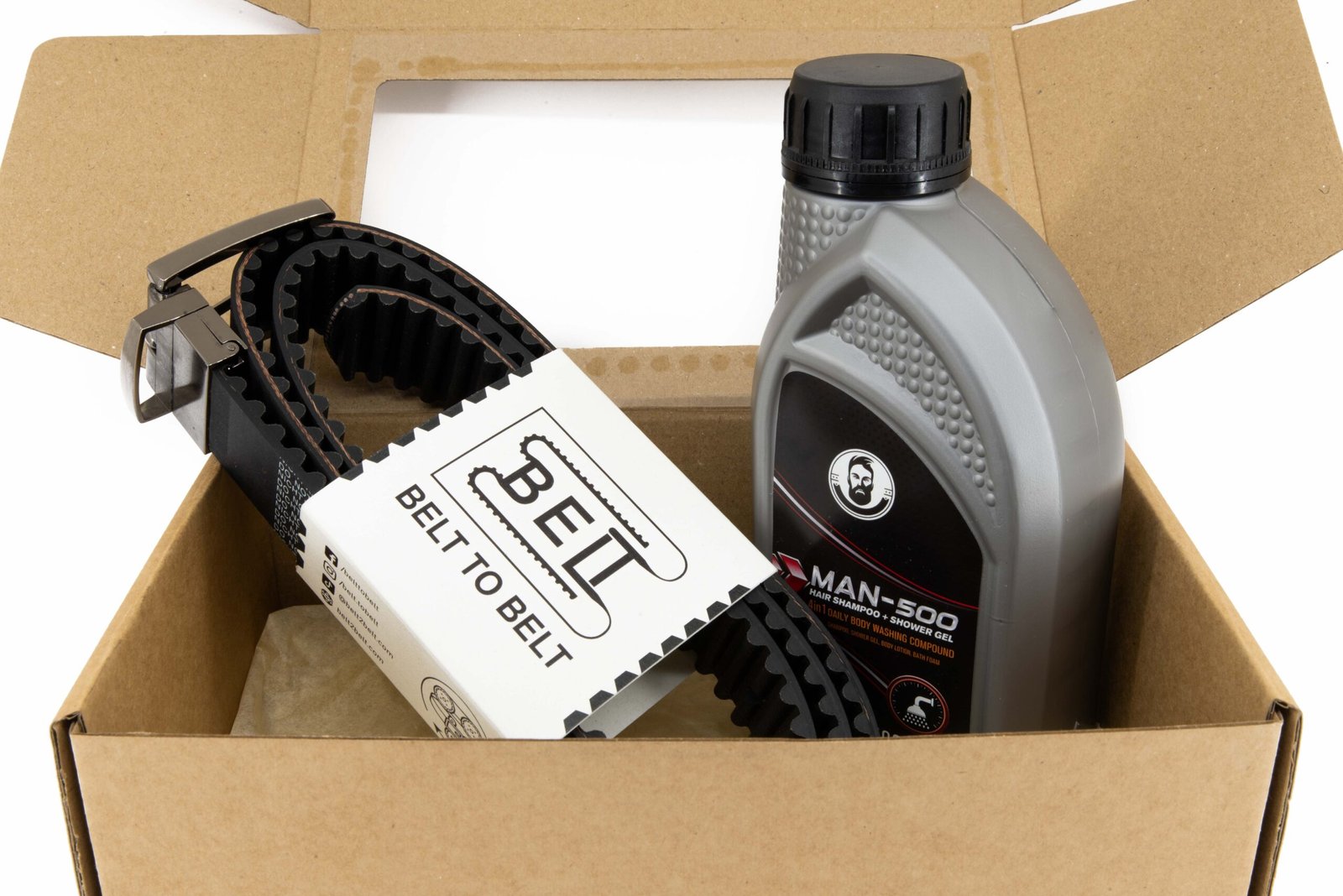
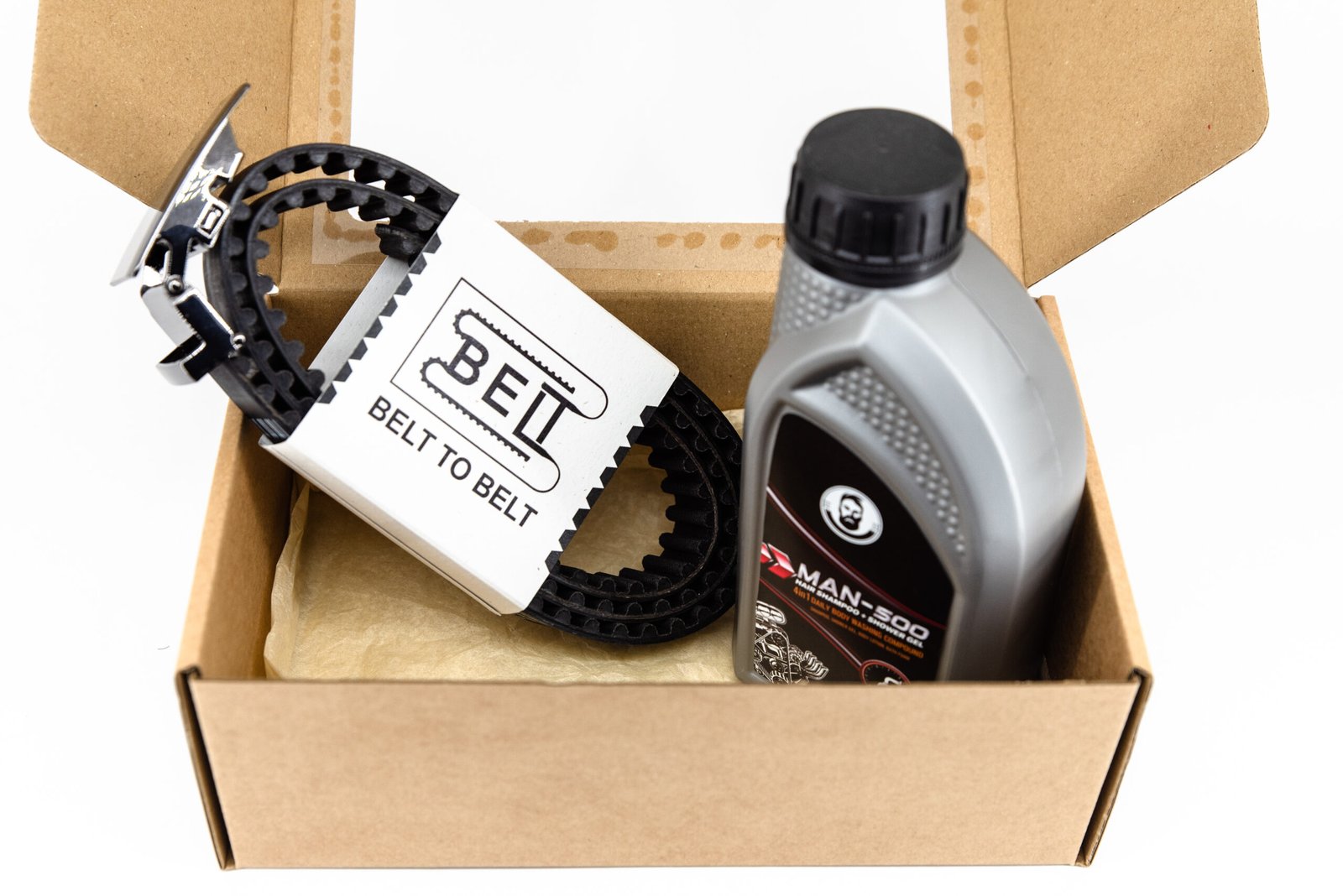
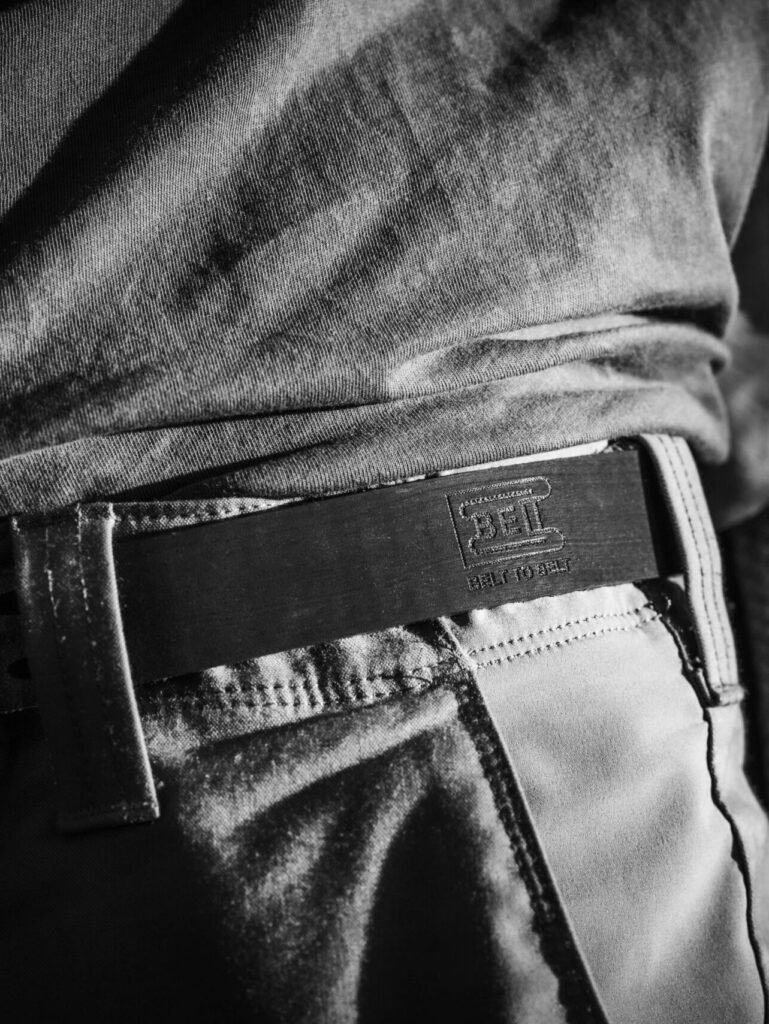
We’re a Lithuanian duo from the vibrant city of Kaunas, dedicated to crafting handmade belts and other accessories from upcycled engine timing belts. These unique accessories not only help keep your pants in place but also stylishly reflect industrial design. Kiekvienas diržas yra inovacijų ir meistriškumo derinys, kruopščiai sukurtas išsiskirti.
By upcycling materials, we aim to contribute to sustainability and promote eco-friendly fashion. Mūsų diržai yra puiki dovana automobilių entuziastams ar pramonės darbuotojams, kurie jau turi viską!
Each product we create tells a story of transformation, turning what was once a functional but discarded item into a distinctive accessory that reflects the spirit of creativity and upcycling, while making the planet a little greener.
Ready to add a touch of automotive history to your outfit?
A Bit of History
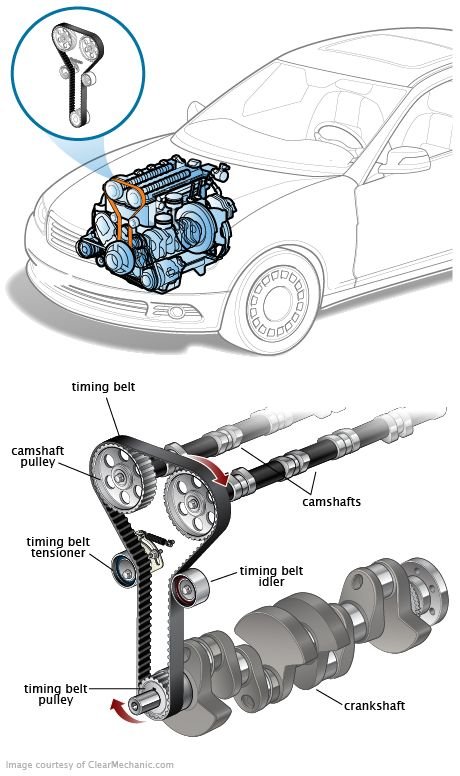
Timing belts were essential to the development of the internal combustion engine. Jie pirmą kartą išpopuliarėjo 1960-aisiais, ypač po to, kai buvo panaudoti vokiečių Glas GT automobilyje.
The timing belt innovation synchronized the rotation of the crankshaft and camshaft, ensuring that the engine’s valves opened and closed at the proper time during the intake and exhaust strokes.
This allowed the engine to run more smoothly, quietly, and efficiently compared to the timing chains used previously.
Since then, timing belts have been refined, becoming the standard in modern vehicles, valued for their durability and performance.
However, while they may seem durable, rubber degrades when exposed to higher temperatures and contact with engine oil. Todėl paskirstymo diržo tarnavimo laikas mažėja priklausomai nuo variklio stovio.
Due to material properties, new belts have a shelf life of about 8 years when stored under proper conditions.

Šaunuoliai! Pagamino raktų pakabuką iš trūkusio staklių dirželio. Super gerai pavyko praktiška, kokybiška ir savo istoriją turinti dovana kolegai.


 Verified owner
Labai patinka diržas, kokybiškas, sagtis tvirta. Labai patinka, kad ją galima persukti ir segtis diržą grublėta puse į išorę. Tai jau antras diržas, kurį pirkau.
 Verified owner
Super greit apsisuko su pristatymu, parekomendavo, gavėjas patenkintas, imčiau darsyk !

 Verified owner
Really cool product and even quicker delivery than the Royal Mail. Worth the money 👍
 Verified owner
Labai faina ir išskirtine dovana👌👌👌
 Verified owner
I liked the package; I bought it as a gift. It’s a high-quality belt and the gel smells delicious.
Belts and the Environment
Timing belts are typically made from a combination of materials to ensure durability and functionality. Pagrindiniai komponentai yra:
- Rubber, polyurethane, or neoprene: These materials form the belt’s exterior, providing flexibility and wear resistance.
- Reinforcement cords: Often made from materials such as fiberglass, polyester, or Kevlar, these cords provide strength and help transmit power.
- Metal reinforcement: Some timing belts may have metal reinforcements to increase their durability and load capacity.
These materials work together to create a belt that can withstand the mechanical stresses of the engine while maintaining precise component synchronization.
However, such durability naturally presents several challenges when recycling them.
First, timing belts are made from a combination of materials, including rubber, fabric, and sometimes metal components, making them difficult to separate and process. Additionally, belts are often coated with lubricants and other chemicals during the manufacturing process, and when used in an engine they can become contaminated with oil, making the recycling process more complex as they need to be thoroughly cleaned before processing.
The durability and strength of timing belts, while beneficial for their use in engines, also means that breaking them down requires significant energy and specialized equipment.
Finally, the relatively small size and complex structure of timing belts means that their economic viability for recycling may be low, as processing costs may exceed the value of recovered materials.
About Us on TV
our partners